Case overview & analysis
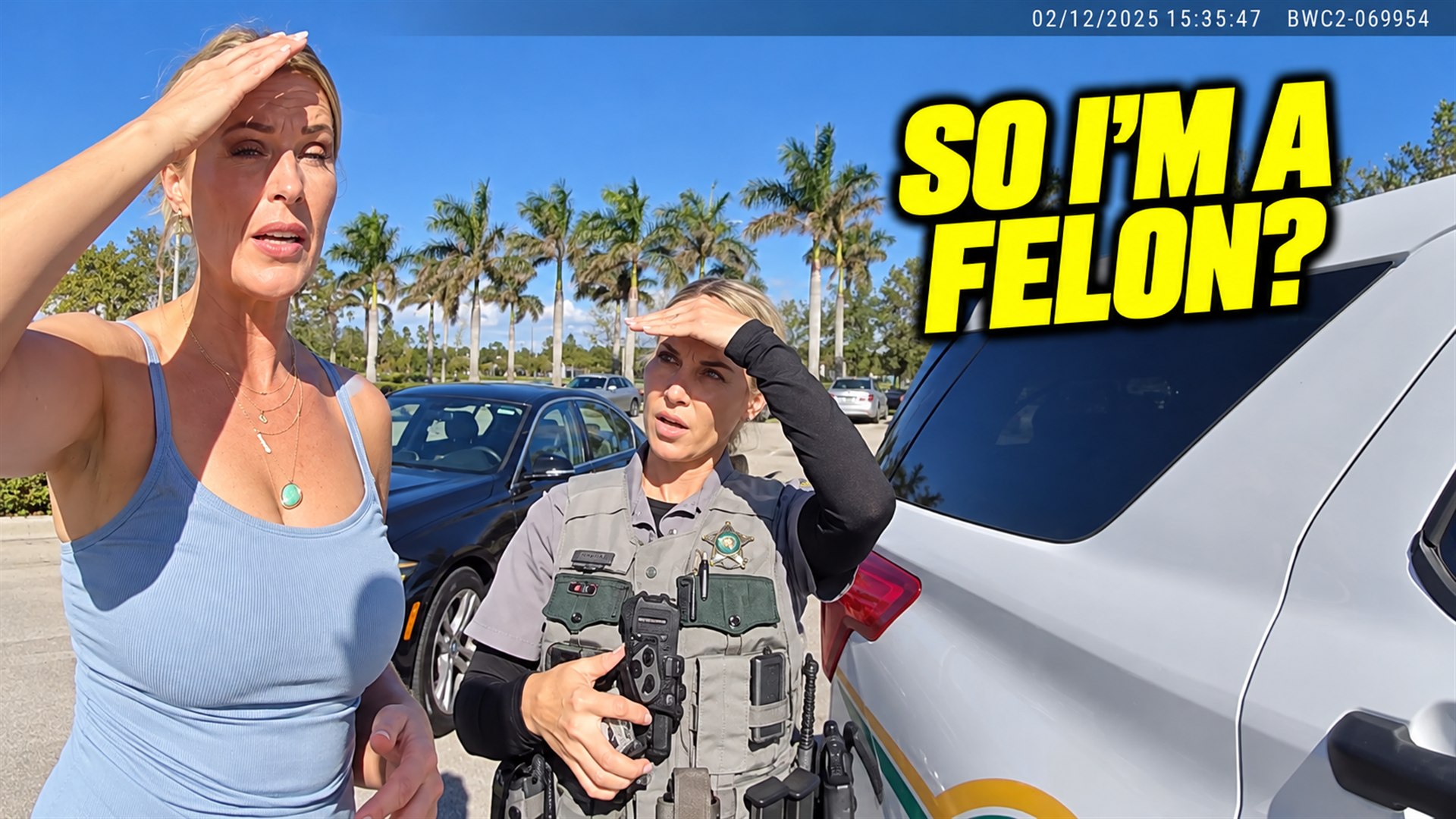
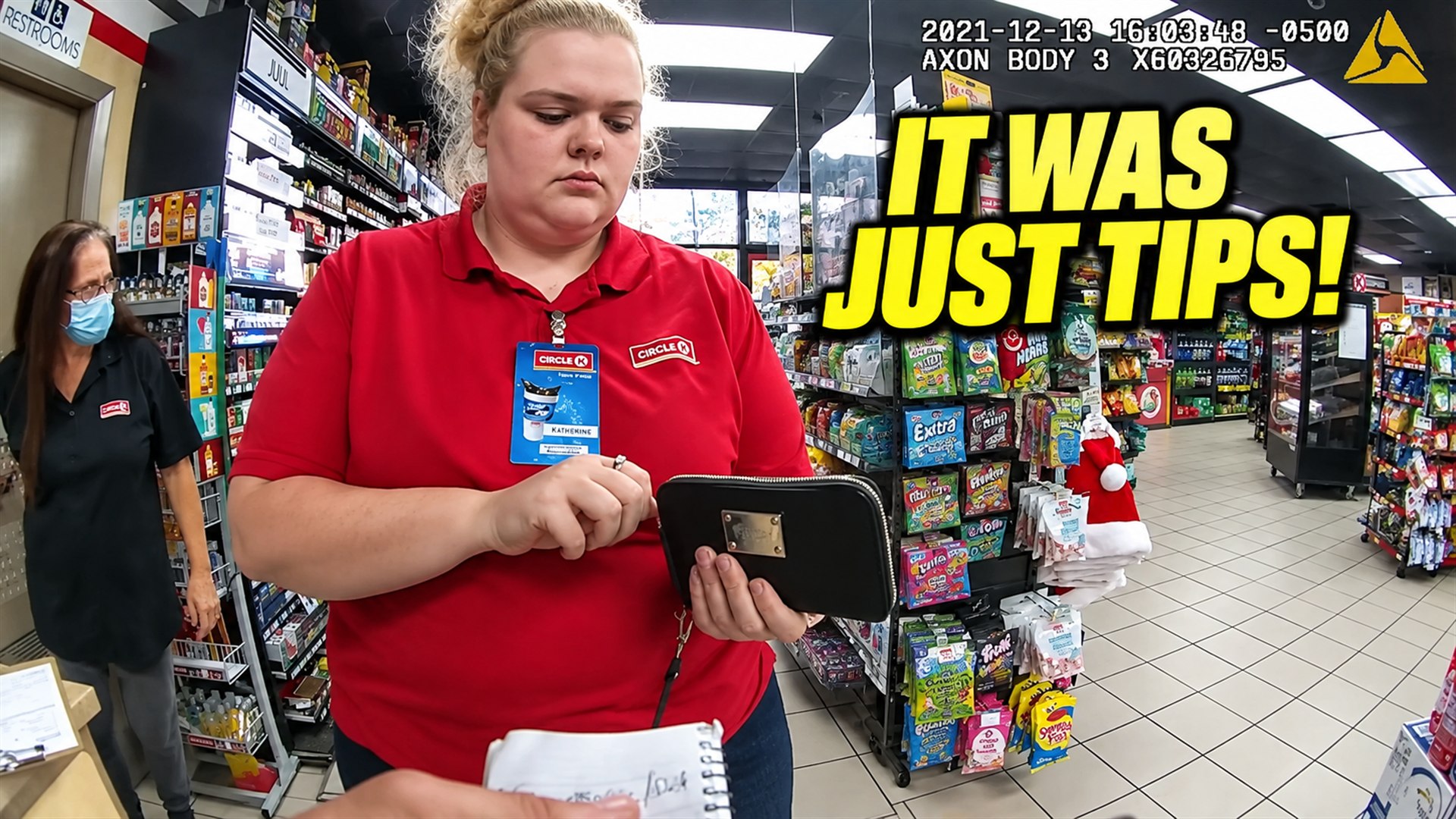
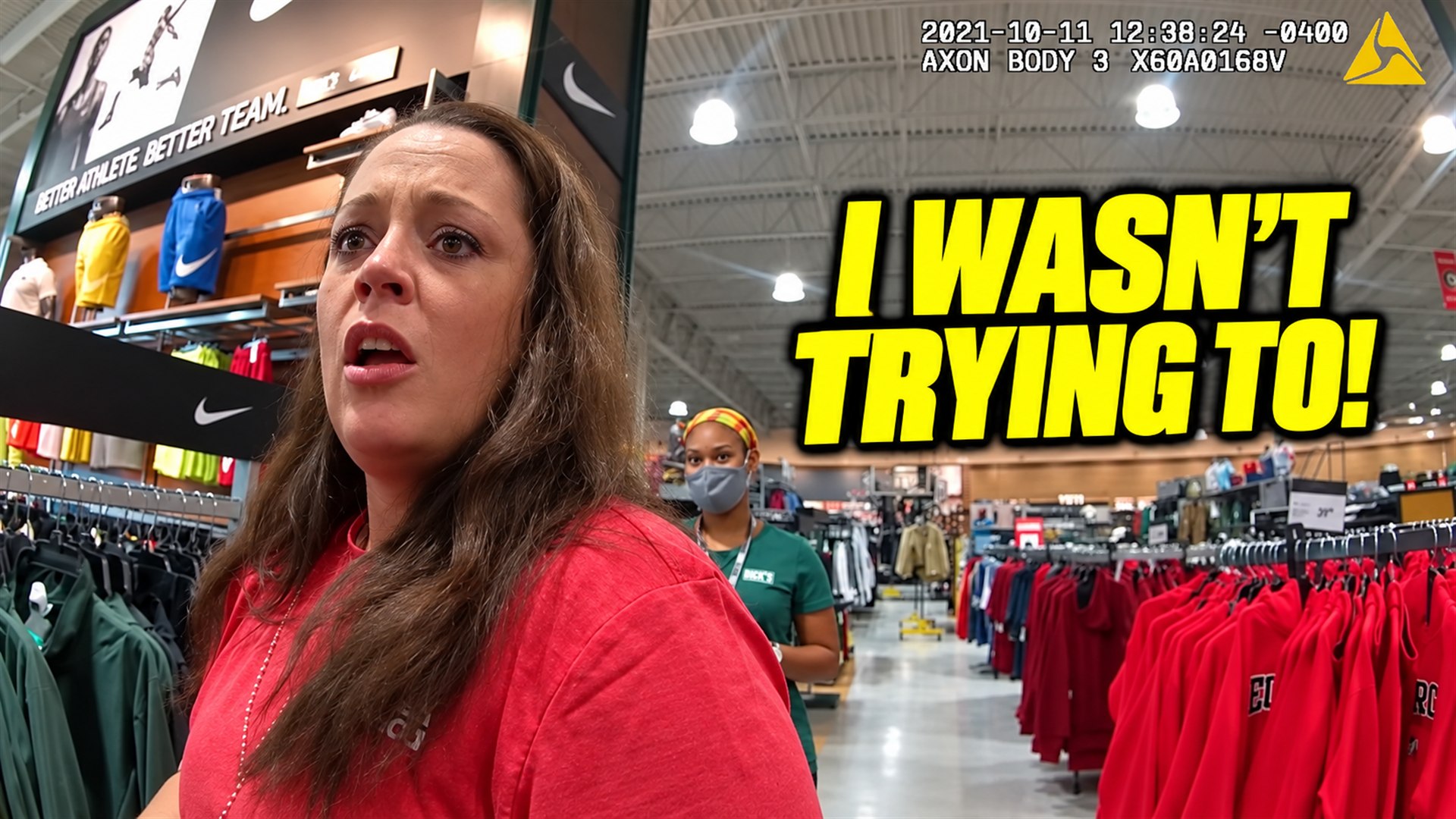
On September 16, 2021, Savannah police were called to a Home Depot in Georgia after an employee reported that a shopper had placed merchandise inside her purse. She never reached the register. She insisted she always meant to pay, produced $278 in cash and a gift card, and asked twice to call a lawyer. Minutes later, while being questioned, she admitted a drill set was never scanned. The encounter ended with a signed criminal trespass notice, handcuffs, and a trip to be fingerprinted.
This breakdown pauses the footage at five decision points and explains the law behind each one: Georgia's shoplifting statute, investigative detention, probable cause, the right to counsel, and Miranda.
Can concealment inside a store be a crime before anyone reaches the exit? Does having the money to pay say anything about intent to pay? And can an admission made in custody be used if no warning appears on the recording?
Legal issues examined
The accompanying analysis considers the following topics and authorities. These references are a reading guide, not a determination of guilt or a ruling on this particular encounter.
- Theft by Shoplifting • Concealment
- O.C.G.A. § 16-8-14FULL CITATION: O.C.G.A. § 16-8-14 (GEORGIA THEFT BY SHOPLIFTING)
- Investigative Detention • Restraints
- TERRY v. OHIOFULL CITATION: TERRY v. OHIO, 392 U.S. 1 (1968)
- Warrantless Arrest • Probable Cause
- BECK v. OHIOFULL CITATION: BECK v. OHIO, 379 U.S. 89 (1964)
- Right to Counsel • Custodial Interrogation
- EDWARDS v. ARIZONAFULL CITATION: EDWARDS v. ARIZONA, 451 U.S. 477 (1981)
- Self-Incrimination • Custodial Warnings
- MIRANDA v. ARIZONAFULL CITATION: MIRANDA v. ARIZONA, 384 U.S. 436 (1966)
This is educational commentary, not legal advice. Allegations and an arrest do not establish guilt. The case summary reflects the supplied footage analysis; a final court outcome is not established unless expressly stated. Some thumbnails have been edited with AI, and reconstructed details may differ from the original footage.