Case overview & analysis
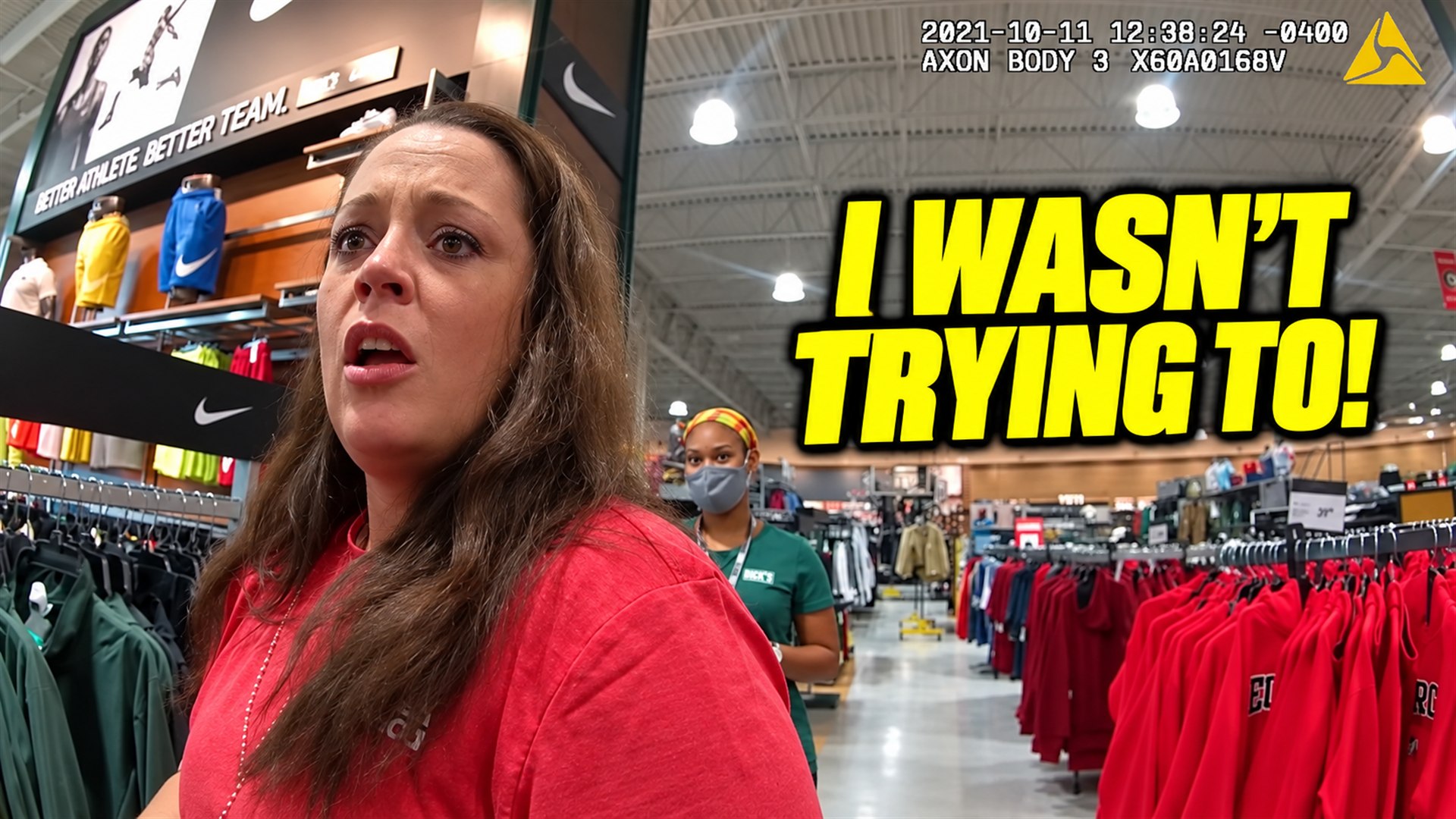
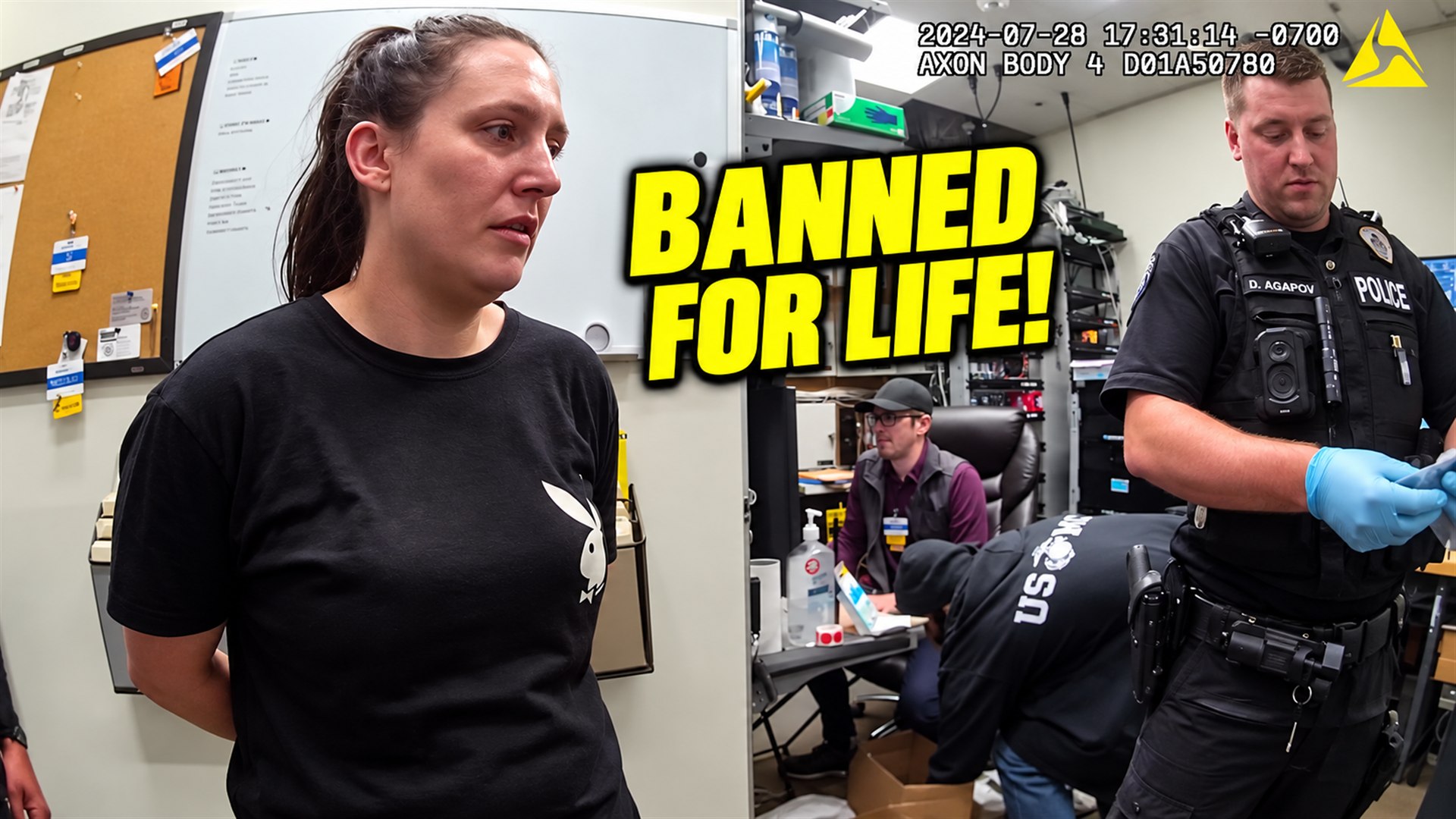
On November 9, 2021, officers responded to a retail theft call at a shopping mall department store. Loss prevention had watched a shopper conceal merchandise and pull security sensors off with a modified tool, yet asked officers to wait until she walked out. After she left, she was detained, searched, and found with what she called toenail clippers. Then came the receipt defense: items supposedly bought four days earlier on a debit card, on a receipt dated that same day. The pre-tax total came to $562.50, and the radio call listed shoplifting and possession of tools in the commission of a crime.
Why do stores wait until the last point of sale before stopping a suspect? Can an everyday object become a criminal tool? And were questions about the receipt, asked after arrest with no Miranda warning heard, an interrogation?
Legal issues examined
The accompanying analysis considers the following topics and authorities. These references are a reading guide, not a determination of guilt or a ruling on this particular encounter.
- Instruments of Crime • Purpose
- MODEL PENAL CODE § 5.06FULL CITATION: MODEL PENAL CODE § 5.06 (POSSESSING INSTRUMENTS OF CRIME)
- Merchant Detention • False Imprisonment
- RESTATEMENT (SECOND) OF TORTS § 120AFULL CITATION: RESTATEMENT (SECOND) OF TORTS § 120A
- Fourth Amendment • Public Arrest
- UNITED STATES v. WATSONFULL CITATION: UNITED STATES v. WATSON, 423 U.S. 411 (1976)
- Fourth Amendment • Search Incident to Arrest
- CHIMEL v. CALIFORNIAFULL CITATION: CHIMEL v. CALIFORNIA, 395 U.S. 752 (1969)
- Fifth Amendment • What Counts as Interrogation
- RHODE ISLAND v. INNISFULL CITATION: RHODE ISLAND v. INNIS, 446 U.S. 291 (1980)
This is educational commentary, not legal advice. Allegations and an arrest do not establish guilt. The case summary reflects the supplied footage analysis; a final court outcome is not established unless expressly stated. Some thumbnails have been edited with AI, and reconstructed details may differ from the original footage.