Case overview & analysis
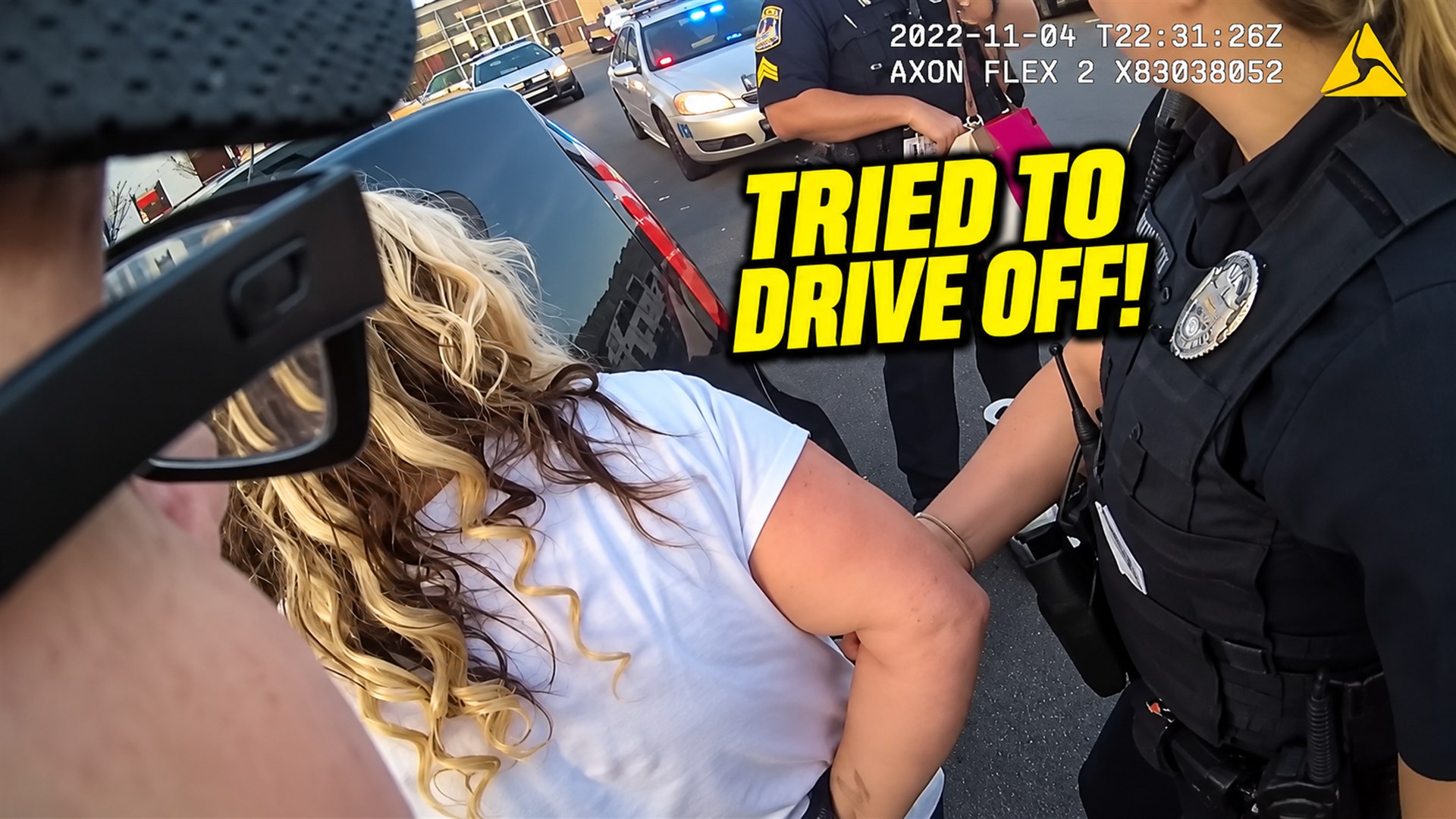
On November 3, 2025, a store employee in Largo, Florida called police on a shoplifting suspect still on scene. According to the cashier, the woman opened and drank an energy drink, her card came back on an inactive account, and when asked for another form of payment she said, "I'm just gonna take these." Officers detained her and offered a trespass warning instead of jail — if she would give her name. For more than twenty minutes she communicated through gestures, scribbles, and apparent sign language, until officers placed her under arrest and spent several more minutes getting her into a patrol car.
This breakdown pauses at five decision points: a refused bag search, stated intent under Florida's retail theft statute, the Supreme Court's stop-and-identify ruling, resisting without violence, and the force used at the car door.
Was her silence about her name protected, or a separate offense? Did officers handle the consent request correctly? Was the force at the patrol car reasonable?
Legal issues examined
The accompanying analysis considers the following topics and authorities. These references are a reading guide, not a determination of guilt or a ruling on this particular encounter.
- Consent Searches • Freedom to Decline
- FLORIDA v. BOSTICKFULL CITATION: FLORIDA v. BOSTICK, 501 U.S. 429 (1991)
- Retail Theft • Intent to Deprive
- FLA. STAT. § 812.015FULL CITATION: FLA. STAT. § 812.015 (RETAIL THEFT)
- Investigative Stops • Duty to Give a Name
- HIIBEL v. SIXTH JUDICIAL DIST. COURT OF NEV.FULL CITATION: HIIBEL v. SIXTH JUDICIAL DIST. COURT OF NEV., 542 U.S. 177 (2004)
- Resisting Without Violence • Obstruction
- FLA. STAT. § 843.02FULL CITATION: FLA. STAT. § 843.02 (RESISTING OFFICER WITHOUT VIOLENCE)
- Use of Force • Objective Reasonableness
- GRAHAM v. CONNORFULL CITATION: GRAHAM v. CONNOR, 490 U.S. 386 (1989)
Sources & limits
This overview uses supplied footage summaries and analysis materials. The linked legal references have not all been independently reviewed, and the complete investigation and court record are not available here.
Video source: Offered a Warning for a $32 Theft — Then She Won't Give Her Name | Bodycam Analysis on YouTube. The linked upload is not an independent court record.
Read the Bill of Rights · How to evaluate a bodycam case · Submit a correction
This is educational commentary, not legal advice. Allegations and an arrest do not establish guilt. The case summary reflects the supplied footage analysis; a final court outcome is not established unless expressly stated. Some thumbnails have been edited with AI, and reconstructed details may differ from the original footage.

Evidence & interpretation
The account places a reported unpaid drink, a declined card and the cashier's description of an intended departure before the officers' extended identification attempts. Those stages should be examined separately. The practical question is what information the officers had when they restricted movement, then what changed before they announced an arrest.
Gestures, writing and apparent signing make communication an important uncertainty. The excerpt does not establish whether the woman could hear, understood the requests or needed an interpreter. Treating every delay as deliberate refusal would assume facts the summary does not prove. Compare the requests made, the responses visible and the alternatives offered.
A warning offered by an officer, a possible duty to identify and a criminal obstruction allegation are different issues. This article does not adopt the broad proposition that every person stopped in Florida must give a name. The exact statute, the reason for the stop and the conduct alleged to obstruct an officer need separate examination. The supplied analysis itself flags this point for human verification.