
Case overview & analysis
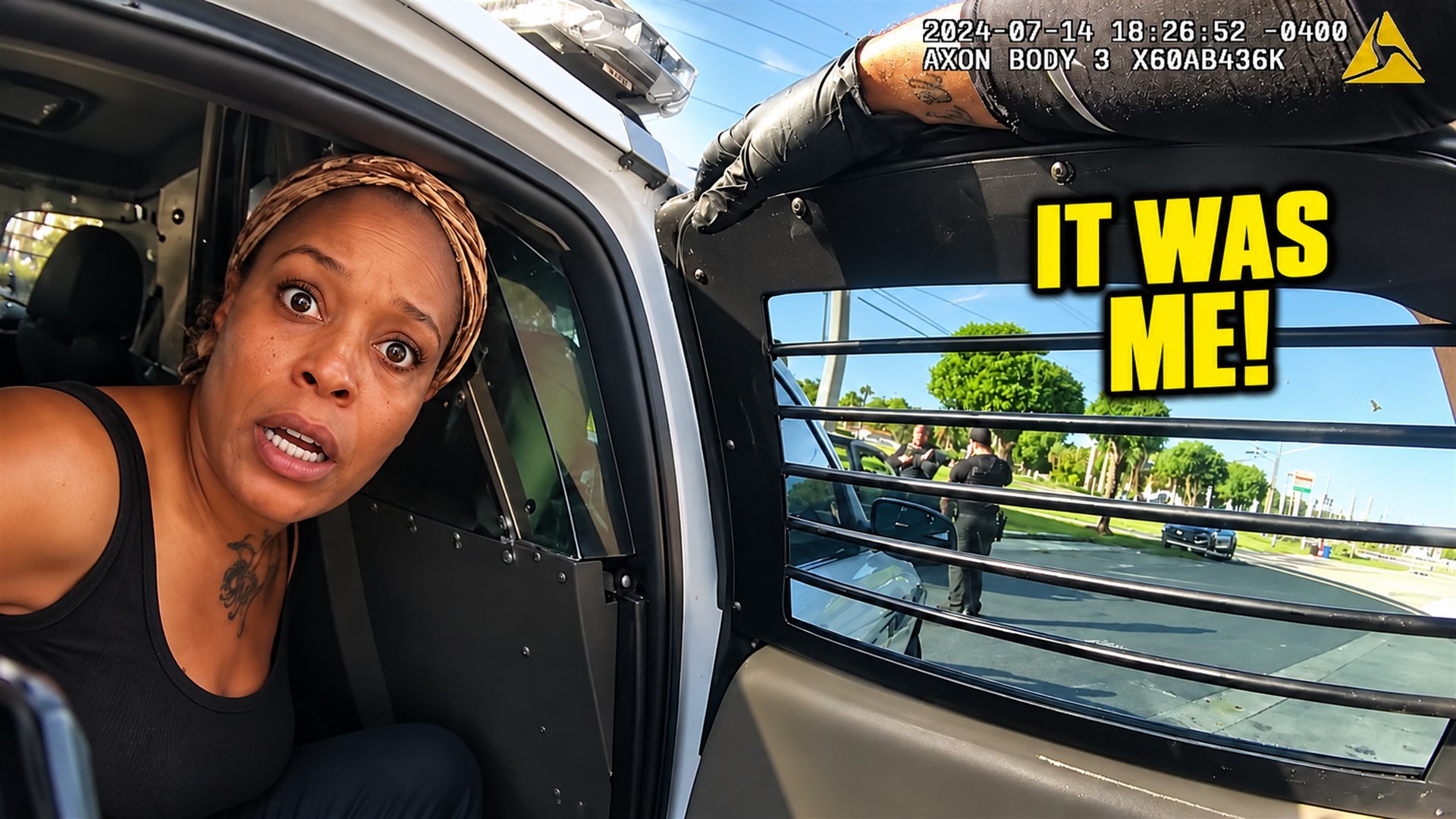
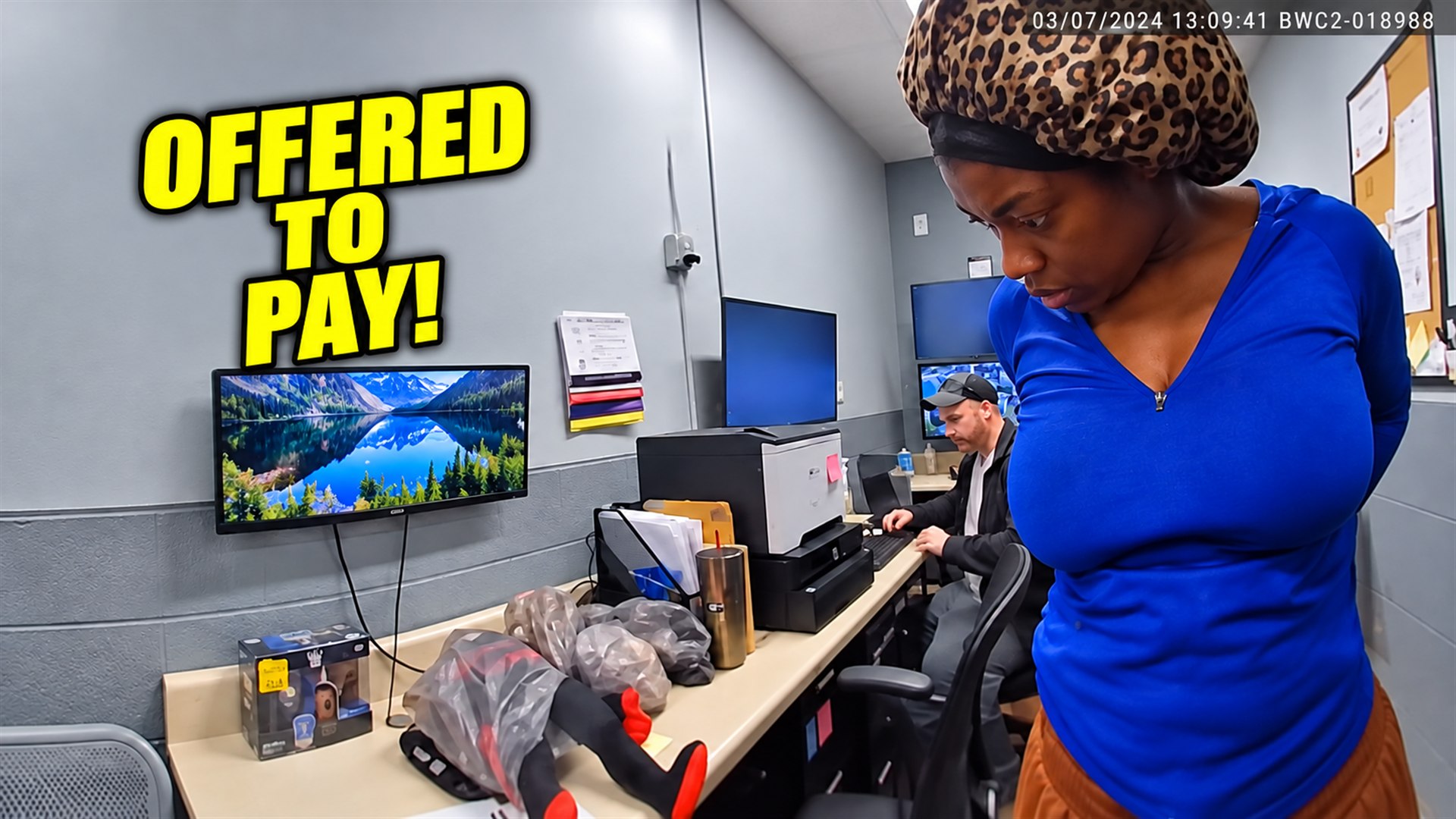
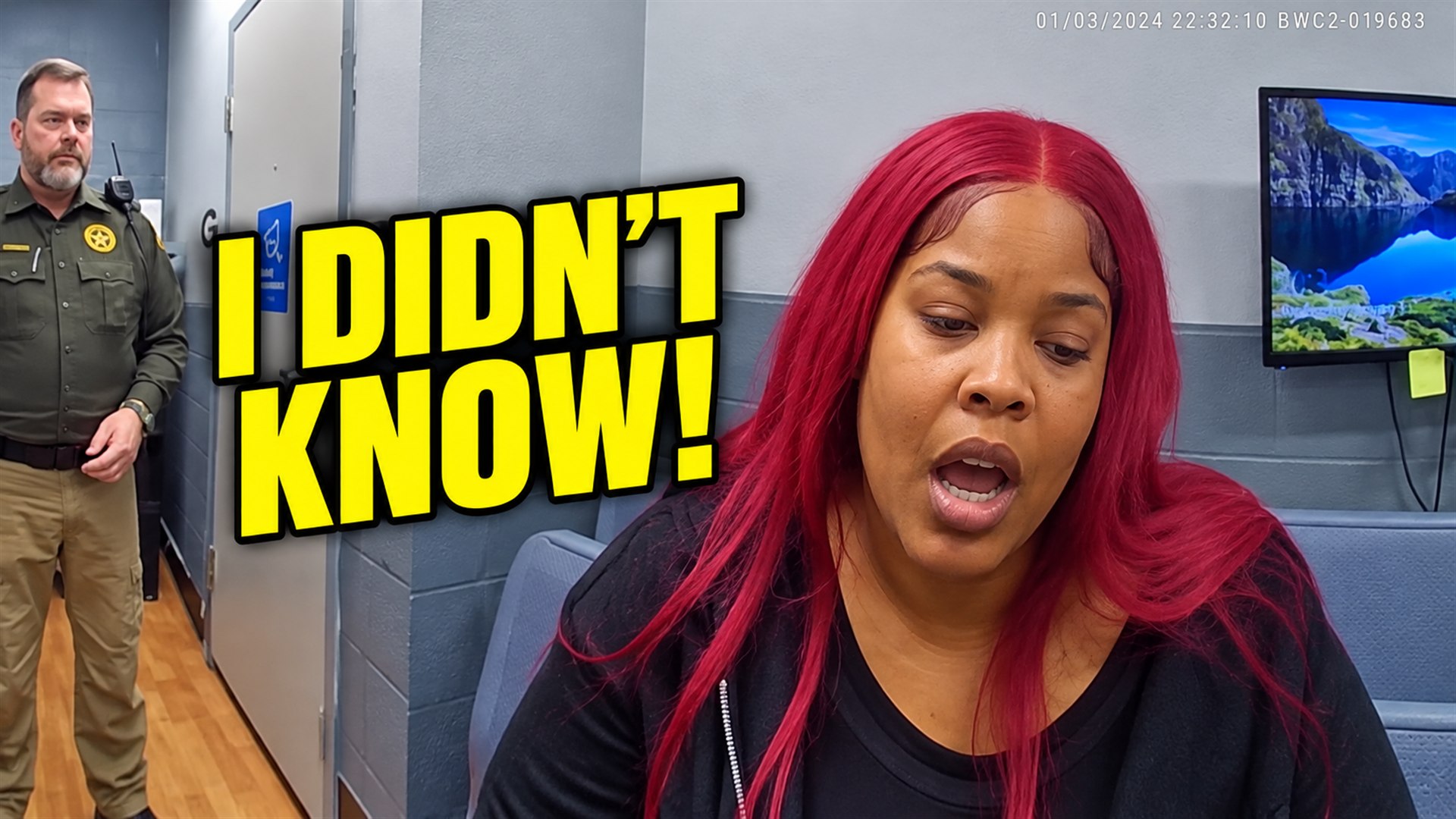
At a Florida restaurant, a couple finished dinner and dessert, left a debit card in the check presenter, and walked out. The card declined. Diners at the next table told the server the pair left almost running. The officer took descriptions, reviewed the restaurant's cameras, and collected the card and receipt. Later, both suspects were read their Miranda rights and agreed to talk. She said the card was not hers and that she did not remember much of that day. He said he thought she was paying, then described running out.
This breakdown pauses the footage at five decision points: Florida's theft-of-food statute, card fraud, evidence handed over by a business, Miranda waivers, and voluntary intoxication.
Is leaving without paying enough to prove intent to defraud? Does using someone else's card add a separate crime? And can "I don't remember" ever work as a defense?
Legal issues examined
The accompanying analysis considers the following topics and authorities. These references are a reading guide, not a determination of guilt or a ruling on this particular encounter.
- Intent to Defraud • Restaurant
- FLA. STAT. § 509.151FULL CITATION: FLA. STAT. § 509.151 (OBTAINING FOOD OR LODGING WITH INTENT TO DEFRAUD)
- Card Use • Cardholder Consent
- FLA. STAT. § 817.61FULL CITATION: FLA. STAT. § 817.61 (FRAUDULENT USE OF CREDIT CARDS)
- Private Search • Evidence Handed to Police
- BURDEAU v. McDOWELLFULL CITATION: BURDEAU v. McDOWELL, 256 U.S. 465 (1921)
- Custodial Warnings • Waiver
- MIRANDA v. ARIZONAFULL CITATION: MIRANDA v. ARIZONA, 384 U.S. 436 (1966)
- Voluntary Intoxication • No Defense
- FLA. STAT. § 775.051FULL CITATION: FLA. STAT. § 775.051 (VOLUNTARY INTOXICATION)
Sources & limits
This overview uses supplied footage summaries and analysis materials. The linked legal references have not all been independently reviewed, and the complete investigation and court record are not available here.
The public video link for this entry is not yet available. The written discussion is based on the supplied summary.
Read the Bill of Rights · How to evaluate a bodycam case · Submit a correction
This is educational commentary, not legal advice. Allegations and an arrest do not establish guilt. The case summary reflects the supplied footage analysis; a final court outcome is not established unless expressly stated. Some thumbnails have been edited with AI, and reconstructed details may differ from the original footage.
Evidence & interpretation
The declined payment is one part of the timeline. The reported departure, the card left behind, the restaurant recording and the later explanations need to be considered together. A useful comparison is whether the camera corroborates the diners' description of a hurried exit, and whether either diner knew the payment had failed before leaving.
The two explanations should also be assessed separately. Saying that a companion was paying describes an expectation; admitting to running describes conduct. Neither statement, on its own, resolves who owned the card or what each person intended. The source summary does not provide a verified court disposition.