
Case overview & analysis
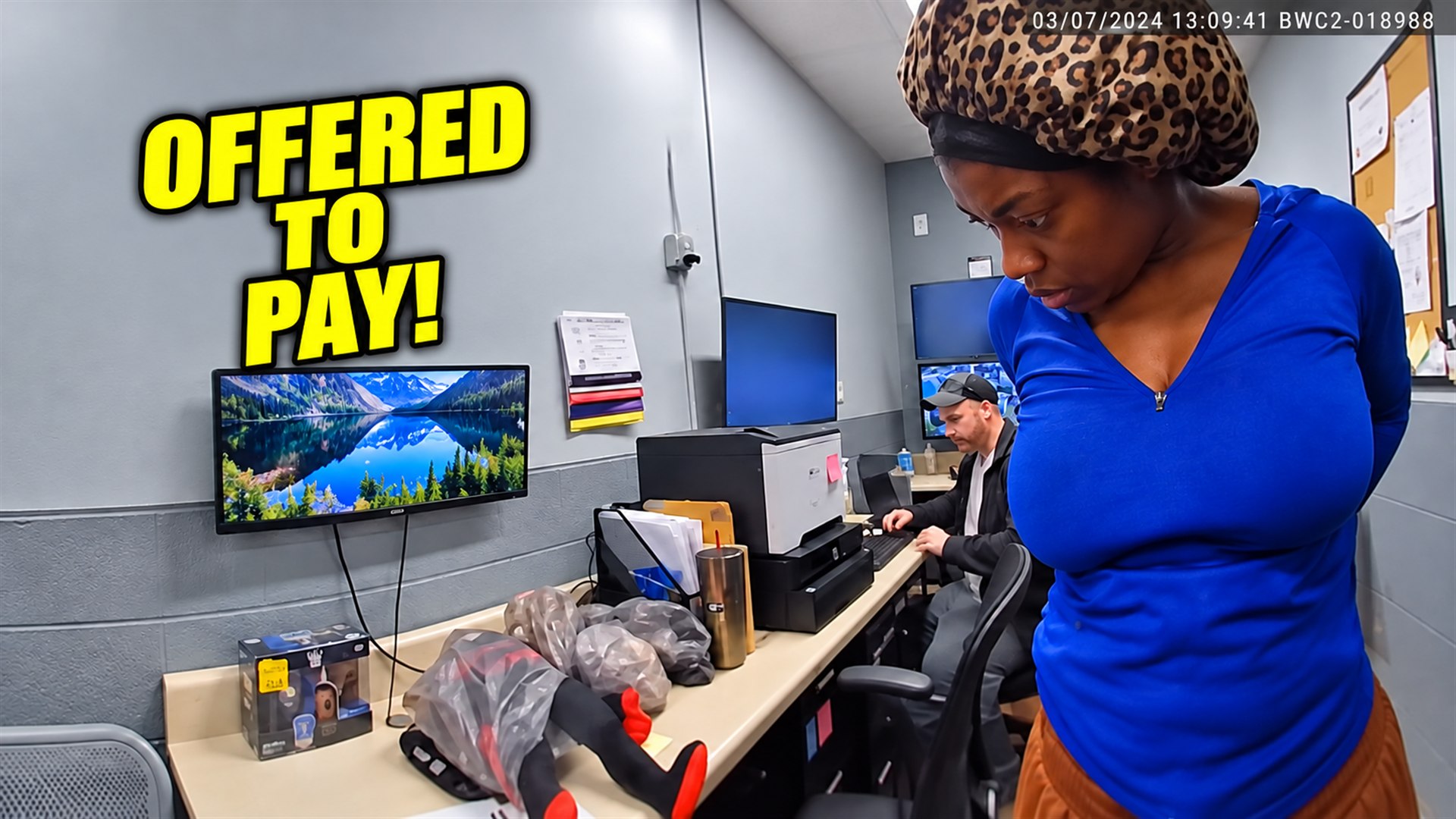
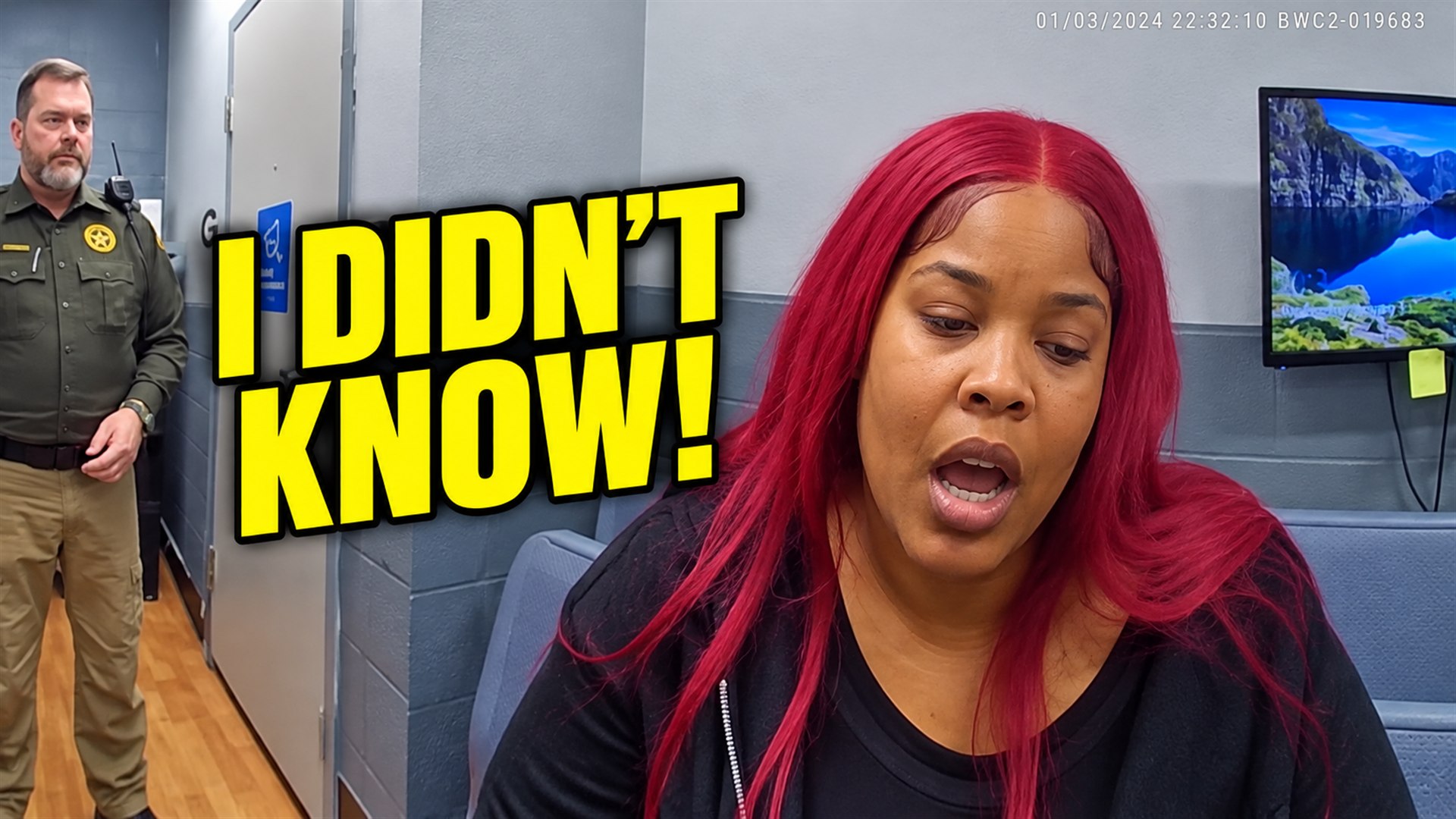
On July 14, 2024, a deputy reportedly with the Palm Beach County Sheriff's Office in Florida stops a car at a gas station after Walmart loss prevention reports two shoppers leaving with unpaid items in their cart. Both occupants are handcuffed and told they are "detained", not under arrest. Each hears full Miranda warnings and agrees to talk, one after saying she is bipolar and schizophrenic. The passenger finally says, "it wasn't her it was me", but the deputy answers that there is video showing her, and that a petit theft "turns into a felony when you have two priors."
This breakdown pauses at five decision points: Reynolds v. State on handcuffs during a detention, Colorado v. Connelly on Miranda waivers, and Florida Statutes 812.014 and 812.015.
Can handcuffs be used without turning a detention into an arrest? Is walking past the registers with unpaid items theft by itself? And can prior convictions turn a grocery-sized theft into a felony?
Legal issues examined
The accompanying analysis considers the following topics and authorities. These references are a reading guide, not a determination of guilt or a ruling on this particular encounter.
- Investigative Detention • Handcuff Use
- REYNOLDS v. STATEFULL CITATION: REYNOLDS v. STATE, 592 So. 2d 1082 (Fla. 1992)
- Fifth Amendment • Voluntary Waiver
- COLORADO v. CONNELLYFULL CITATION: COLORADO v. CONNELLY, 479 U.S. 157 (1986)
- Theft • Intent to Deprive
- FLA. STAT. § 812.014(1)FULL CITATION: FLA. STAT. § 812.014(1) (THEFT)
- Petit Theft • Prior Convictions
- FLA. STAT. § 812.014(3)(c)FULL CITATION: FLA. STAT. § 812.014(3)(c) (PETIT THEFT; PRIOR CONVICTIONS)
- Retail Theft • Warrantless Arrest
- FLA. STAT. § 812.015(4)FULL CITATION: FLA. STAT. § 812.015(4) (RETAIL THEFT; ARREST WITHOUT WARRANT)
Sources & limits
This overview uses supplied footage summaries and analysis materials. The linked legal references have not all been independently reviewed, and the complete investigation and court record are not available here.
The public video link for this entry is not yet available. The written discussion is based on the supplied summary.
Read the Bill of Rights · How to evaluate a bodycam case · Submit a correction
This is educational commentary, not legal advice. Allegations and an arrest do not establish guilt. The case summary reflects the supplied footage analysis; a final court outcome is not established unless expressly stated. Some thumbnails have been edited with AI, and reconstructed details may differ from the original footage.

Evidence & interpretation
Handcuffs and the officer's description of the encounter as a detention create a question worth examining: what restrictions were actually imposed, for how long, and for what stated purpose? The label used by the deputy should be read alongside the sequence of actions.
The passenger's attempt to accept responsibility does not settle the other occupant's involvement. Store video and each person's conduct are separate evidence sources. The discussion of prior convictions also needs records linking the correct person to the relevant convictions; a roadside statement is not a verified sentencing outcome.